
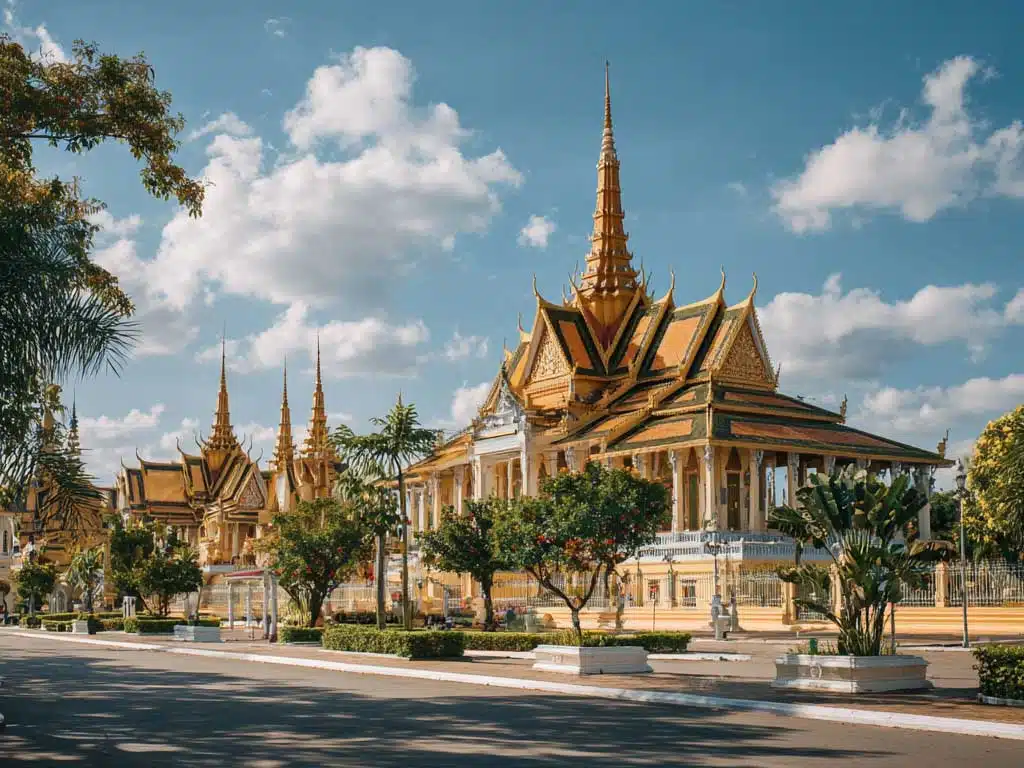
Phnom Penh itinerary planning matters more than many first-time visitors expect. Cambodia’s capital is not huge, but it has enough major sights, traffic, and emotional weight to feel tiring if you move around without a clear plan. The good news is that Phnom Penh works well as a short city break if you group nearby stops and keep the pace realistic.
This guide is built as a practical 2-day Phnom Penh itinerary for first-time visitors. It focuses on logical route flow, meaningful sightseeing, and enough breathing room to enjoy the city without rushing from one landmark to the next. You will cover the riverside, the Royal Palace area, key cultural sites, a market stop, and one lighter local evening section to balance the trip.
Table of Contents Phnom Penh Itinerary
How to Use This Phnom Penh Itinerary
This itinerary is best for travelers who want a solid first look at Phnom Penh without turning the visit into a checklist. Two days is enough to see the city’s most important highlights if you stay organized and avoid cramming too much into each afternoon.
A simple approach makes the trip smoother:
- group central landmarks on the same day
- leave heavier historical sites for a focused half day
- avoid crossing the city too often
- keep the second evening or final section lighter
If you want official visitor information before your trip, the Ministry of Tourism Cambodia is a useful place to start.
Day 1: Riverfront, Royal Palace, and the Historic Center
Your first day should focus on Phnom Penh’s central core. This area gives you the easiest introduction to the city, with riverside views, major landmarks, and walkable clusters that fit well together.
Morning: Start at the Riverfront
Begin your day around Sisowath Quay and the riverfront area. This is one of the best places to get your first feel for Phnom Penh. The setting is open, active, and scenic in a way that helps the city make sense early on.
Take a slow walk along the waterfront and let the city wake up around you. This part of the morning does not need a strict checklist. The goal is to ease into Phnom Penh before heading into the more structured sights.
If you are staying nearby, this is also a good time for breakfast with a river view before the main sightseeing begins.
Late Morning: Royal Palace and Silver Pagoda
From the riverfront, continue to the Royal Palace area. This is the most natural next stop and one of the city’s clearest visual highlights. The palace complex adds elegance to a day that begins with street life and river movement.
Plan to spend a good stretch of the late morning here. The grounds are not something to rush through in fifteen minutes. Give yourself time to take in the architecture, the details, and the calmer atmosphere inside the complex.
A few useful pacing notes:
- visit earlier rather than later to avoid the strongest midday heat
- dress modestly for palace and temple areas
- keep your schedule flexible in case entry lines or weather slow you down
Midday: National Museum of Cambodia
After the palace, head to the National Museum of Cambodia. It fits neatly into the same part of the city, which makes the route flow much easier than trying to split these sights across separate days.
The museum adds context to what you are seeing in Phnom Penh. It also gives you a break from the heat and traffic while still keeping the day meaningful. For a first-time visitor, this combination works very well: one landmark for visual impact, one museum for cultural depth.
Try to avoid rushing through the museum just because it is close by. Even a focused visit can make the rest of the trip feel more grounded.
Lunch: Stay Near the Central Area
After the museum, have lunch in the same general area rather than jumping across town. This helps keep the day smooth and avoids wasting time in traffic just for one meal.
A central lunch stop also gives you a chance to reset before the afternoon. Phnom Penh can feel hot and draining by this point of the day, so this break matters more than it might in a cooler city.
Afternoon: Central Market
Use the afternoon for Central Market. It is a practical stop after lunch because it shifts the mood of the day without needing a long transfer. After palaces and museum spaces, the market gives you a more active and everyday side of Phnom Penh.
The building itself is part of the appeal. Inside, you can browse casually without feeling like you need to see every section. This is a better stop when treated as a light urban experience, not a mission to cover every stall.
If your energy drops here, that is normal. A first day in Phnom Penh often feels fuller than expected. The point is not to power through endlessly. It is to keep the route manageable.
Evening: Riverside Walk and Relaxed Dinner
For the evening, return to the riverfront or stay in a nearby central area for dinner. This gives the day a clean ending without more complicated transport.
The riverside tends to feel more inviting later in the day. The heat softens, the city becomes more atmospheric, and the pace feels easier. If Day 1 is about orientation and major central sights, this evening is about letting Phnom Penh settle in properly.
Keep the night simple:
- sunset walk if the weather is clear
- casual dinner near Sisowath Quay
- light stroll instead of extra sightseeing
That calmer ending helps Day 2 feel more balanced.
Day 2: Tuol Sleng, Local Rhythm, and a Lighter Finish
Your second day should be more focused and more careful in tone. This is the right time for one of Phnom Penh’s most important sites, followed by a slower second half that does not feel emotionally or physically overloaded.
Why Day 2 of This Phnom Penh Itinerary Should Be More Measured
A common mistake is trying to pack Tuol Sleng, markets, museums, and extra sightseeing into one heavy block. That usually makes the day feel rushed and emotionally flat.
A better plan is to give the morning enough space, then let the afternoon and evening become lighter. Phnom Penh is a city where pacing matters. The experience is better when you leave room to process what you have seen.
Morning: Tuol Sleng Genocide Museum
Start Day 2 with the Tuol Sleng Genocide Museum. This is one of the most important places in Phnom Penh, and it deserves a quieter, more respectful part of the day.
Go in the morning when your energy and focus are better. This is not the kind of stop to squeeze in at the end of an already packed route. Allow time to move slowly and take breaks if needed.
This visit often becomes one of the most memorable parts of a Phnom Penh trip, but it can also be emotionally heavy. Plan the rest of the day with that in mind.
Late Morning to Early Afternoon: Slow Lunch and Reset
After Tuol Sleng, do not rush straight into another intense attraction. The best move is a slower lunch in a calmer café or restaurant nearby or back toward your base.
This is an important reset point in the itinerary. It gives you space to pause, cool down, and shift the tone of the day naturally.
If you have tried to do too much in one city day before, this is usually where problems start. The simplest fix is to intentionally do less.
Afternoon Option 1: Independent Monument and Nearby Streets
If you still want some light sightseeing, head toward the Independence Monument area and nearby streets. This works well as a softer afternoon section because it gives you a sense of Phnom Penh’s urban layout without requiring a long, demanding visit.
You can keep this part loose:
- short walk around the monument zone
- coffee break nearby
- easy city photos
- casual neighborhood browsing
This option suits travelers who still have energy but do not want another heavy landmark.
Afternoon Option 2: Return to the Riverfront for an Easy Pace
If you would rather slow down more, return to the riverfront or another central area you enjoyed on Day 1. That may sound repetitive, but in practice it works well. Familiar areas are often more enjoyable on the second pass because you are less busy trying to orient yourself.
This version of the afternoon is ideal if you want the itinerary to stay realistic rather than ambitious.
Evening: A Lighter Local Finish
End the trip with a lighter evening section. You could choose a relaxed dinner, a final riverside walk, or a low-key café stop in one of the central neighborhoods.
The goal here is simple: finish Phnom Penh on a calmer note.
That matters because the city often leaves the strongest impression when you give it space. You do not need a dramatic final attraction. A quiet dinner and one last look at the city’s evening rhythm can be a better ending than forcing in one more major stop.
Shorter and Flexible Versions of This Phnom Penh Itinerary
Not every traveler has two full days. The good thing about Phnom Penh is that this plan can be trimmed without falling apart.
If You Only Have 1 Day
If you only have one day, focus on:
- riverfront area
- Royal Palace
- National Museum
- one evening walk or market stop
If history is your main reason for visiting, you could swap the market for Tuol Sleng, but the day will feel heavier.
If You Have 3 Days
If you have a third day, use it to slow the city down rather than adding a long list of extra landmarks. Phnom Penh usually feels better with more space between stops.
A third day could include:
- a slower market visit
- extra café time or neighborhood walking
- a more relaxed museum pace
- a less structured final half day before departure
Where to Stay for a Smooth Phnom Penh Itinerary
Where you stay affects how easy this itinerary feels. For a short first trip, it makes the most sense to base yourself somewhere central.
Stay Near the Riverfront If:
- you want easy access to Day 1 sights
- you like having restaurants and walks nearby
- you prefer a more scenic first-time base
Stay in a Central Urban Area If:
- you want practical transport access
- you are fine with a busier city setting
- you care more about convenience than views
For a 2-day trip, changing hotels is not worth it. One base is the smoother choice.
Common Mistakes to Avoid on a Phnom Penh Itinerary
A few planning mistakes can make Phnom Penh feel harder than it needs to be.
Trying to See Too Much Too Fast
Phnom Penh is better with a measured pace. The city’s main sights are not endless, but the heat, traffic, and emotional weight of some stops can make packed plans feel exhausting.
Treating Every Stop Like a Quick Photo Visit
Places like the Royal Palace, National Museum, and Tuol Sleng work better when you give them real time. If you rush them all, the city starts to feel flat.
Ignoring the Heat and Midday Energy Drop
Build in lunch and reset time. This is not lazy planning. It is what makes the itinerary sustainable.
Overloading the Final Hours
The last part of the trip should feel easier, not busier. Phnom Penh leaves a stronger impression when the ending has room to breathe.
Conclusion
A good Phnom Penh itinerary does not need to be packed to feel rewarding. For first-time visitors, two days is enough to see the city’s most important landmarks, understand more of Cambodia’s history, and still leave space for slower riverside moments. The key is to group nearby sights, respect the tone of heavier sites like Tuol Sleng, and avoid turning every hour into a task.
If you want Phnom Penh to feel memorable rather than tiring, keep the structure simple. See the major places, move at a steady pace, and let the city unfold without pushing it too hard. Read also our Phnom Penh Cambodia: 9 Stunning Reasons to Visit to know Phnom Penh Cambodia is full of history, culture, riverfront charm, markets, museums, and standout landmarks. Discover what makes this capital worth visiting.
FAQ Phnom Penh itinerary
Is 2 days enough for a Phnom Penh itinerary?
Yes, 2 days is enough for a first Phnom Penh itinerary if you plan it well. You can cover the riverfront, Royal Palace, National Museum, Central Market, and Tuol Sleng without rushing too much. It is a good amount of time for a short but meaningful visit.
Is 1 day enough for Phnom Penh?
One day is enough for a quick look at Phnom Penh, but it will feel limited. You will need to choose between a more historic and cultural day or a broader city highlights day. If possible, 2 days gives the city a much better pace.
What are the must-see stops on a Phnom Penh itinerary?
For most first-time visitors, the main stops are the riverfront, Royal Palace, Silver Pagoda, National Museum of Cambodia, Central Market, and Tuol Sleng Genocide Museum. These places give you a strong mix of city atmosphere, culture, and history.
Is Phnom Penh easy to explore for first-time visitors?
Yes, Phnom Penh is manageable for first-time visitors if you group your stops by area and keep expectations realistic. The city is not too hard to navigate, but traffic and heat can slow things down. A simple plan makes the visit much easier.
Should you visit Tuol Sleng on a short Phnom Penh trip?
Yes, many travelers consider Tuol Sleng one of the most important places to visit in Phnom Penh. Even on a short trip, it adds necessary historical context. It is best planned as a focused morning stop, with a lighter section afterward.
Where should you stay for a Phnom Penh itinerary?
For a short stay, it is usually best to stay near the riverfront or in a central part of the city. That gives you easier access to major sights, dining, and evening walks without wasting too much time on transport.
How do you plan Phnom Penh without too much backtracking?
The easiest way is to group the riverfront, Royal Palace, National Museum, and Central Market into one day, then place Tuol Sleng on the second day with a lighter afternoon. Staying in one central base also helps keep the route simple.
