
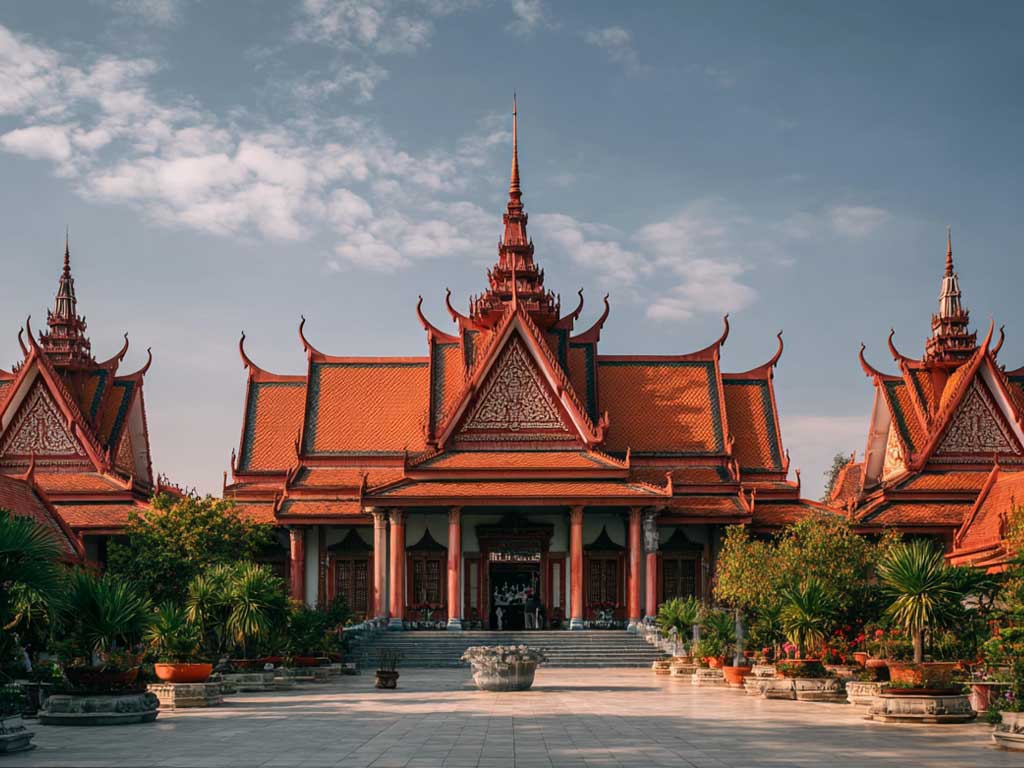
Phnom Penh travel tips can make the difference between a trip that feels rewarding and one that feels hotter, more tiring, and more confusing than it needs to be. Cambodia’s capital has a lot to offer, but it works best when you approach it with the right expectations. The traffic is busy, the heat builds fast, and some of the city’s most important places require more care and awareness than travelers sometimes expect.
This guide is for travelers who want practical advice, not a glossy overview. You’ll learn how to move around Phnom Penh more smoothly, what mistakes to avoid, how to stay comfortable in the heat, and how to handle transport, safety, and cultural etiquette with more confidence.
Here’s what you’ll get:
- simple ways to avoid common travel mistakes
- practical safety and transport advice
- tips for visiting the city’s cultural and historical sites respectfully
- easy habits that make Phnom Penh feel much more manageable
Table of Contents Phnom Penh Travel Tips
1. Start early and slow down in the hottest hours
One of the easiest mistakes in Phnom Penh is trying to do too much in the middle of the day. The city gets hot and humid fast, and that heat can wear you down more than expected.
A better approach is to start earlier, use the morning for your most active plans, and leave room for slower indoor time later. Museums, cafes, lunch breaks, or hotel rest time can help you avoid draining your energy too early.
If you push through the hottest part of the day without a break, the whole city can start to feel harder than it really is.
Quick recap: Phnom Penh is easier when you work with the heat instead of fighting it. Build your day around comfort, not just ambition.
2. Use tuk-tuks, but agree on the basics clearly
Tuk-tuks are one of the easiest ways to get around Phnom Penh, but do not assume every ride will work smoothly without a little attention. You need to be clear about where you are going, and it helps to confirm the route or price before the ride starts when needed.
Ride-hailing apps can make things easier because they reduce confusion and pricing stress. They also help if you do not want to negotiate every short trip. Even then, double-check that the driver understands the correct destination.
This matters most when place names sound similar or when you are heading to a museum, market, or hotel with more than one possible entrance.
What helps with tuk-tuks
- keep your destination written down or pinned on a map
- check that the driver understands before moving
- use a ride app when you want more pricing clarity
- carry small cash for easier payment when needed
Quick recap: Tuk-tuks are practical, but clarity saves time and stress. A simple destination check before the ride often prevents the most common problems.
3. Do not underestimate Phnom Penh traffic
On a map, some places in Phnom Penh can look close together. In real life, traffic can make short distances feel slower and less predictable.
That does not mean getting around is difficult. It means you should leave more buffer time than you might in a quieter destination. This is especially important if you have timed plans, want to visit more than one major site in a day, or are heading somewhere emotionally important where you do not want to arrive rushed.
If you are crossing the city during busier periods, assume it may take longer than expected.
4. Be more alert with bags, phones, and street awareness
Phnom Penh is very visitable, but basic city awareness matters. Like many busy urban destinations, it is better to stay alert than overly relaxed with valuables.
Keep your phone secure when walking near roads or riding in open-sided transport. Avoid leaving bags loose on chairs or carrying them in an easy grab position near traffic. You do not need to act anxious, but you should stay switched on.
The goal is simple: make yourself a less easy target for opportunistic theft.
Smart safety habits
- keep your phone out of reach near moving traffic
- wear bags across your body, not loosely on one shoulder
- avoid flashing cash, jewelry, or expensive gear
- stay more alert at night in quieter areas
For broader official travel information, the Ministry of Tourism Cambodia is a useful starting point.
Quick recap: Phnom Penh safety is mostly about awareness, not fear. Calm, basic caution goes a long way.
5. Dress for heat, but also for respect
Light clothes make sense in Phnom Penh, especially in the hotter months. Breathable tops, loose trousers, light dresses, and comfortable shoes will usually serve you well.
At the same time, some places in the city call for more respectful coverage. If you plan to visit temples, royal grounds, or historical sites, avoid dressing too casually or too revealing. A light extra layer can solve this easily without making your day harder.
This is one of those small choices that improves both comfort and cultural respect.
6. Prepare emotionally for historical sites
Some of Phnom Penh’s most important places are not casual sightseeing stops. Sites connected to Cambodia’s modern history can be powerful, heavy, and emotionally draining.
Do not squeeze these visits into a rushed part of the day or treat them like quick photo stops. Give yourself enough time, approach them respectfully, and be mindful of how you behave while you are there.
Good habits at serious historical sites
- speak quietly
- dress respectfully
- avoid joking or loud behavior
- be thoughtful with photography
- give yourself time afterward if needed
These places often leave a strong impression. A little emotional space helps.
Quick recap: Historical sites in Phnom Penh deserve the right mindset. Respect and pacing matter as much as logistics.
7. Time the riverfront well
The riverfront is one of the easiest parts of Phnom Penh to enjoy, but timing changes the experience a lot. In the middle of the day, it can feel harsh, bright, and tiring. Later in the afternoon and into early evening, it usually feels much better.
That is when the light softens, the area becomes more pleasant for walking, and the atmosphere starts to open up. If you want a smoother experience, avoid judging the area only by how it feels at its hottest and busiest.
A simple timing shift can make a familiar stretch of the city feel far more enjoyable.
8. Carry cash, but do not overdo it
Cash is still useful in Phnom Penh, especially for small purchases, tuk-tuks, local spots, and quick everyday spending. That said, you do not need to carry a huge amount at once.
A better habit is to keep a practical amount of smaller notes and avoid pulling out a large wad of cash in public. Some places accept cards, but it is smart to assume cash will still help often.
This is relevant here because travel days go more smoothly when you are not constantly searching for change or trying to break large bills.
9. Be careful with crossing streets
Crossing roads in Phnom Penh can feel intimidating at first, especially if you are not used to dense Southeast Asian traffic. The key is not speed or panic. It is calm, predictable movement.
If you hesitate too much, stop suddenly, or dart forward, you can make the crossing harder. Move steadily, stay aware, and use clearer crossing points when possible.
If you are unsure, it often helps to cross near locals rather than trying to invent your own rhythm immediately.
Quick recap: Street crossing in Phnom Penh gets easier once you stay calm and predictable. Confidence matters more than rushing.
10. Leave room for small disruptions
Phnom Penh rarely works best as a tightly packed, minute-by-minute city. Heat, traffic, slower service, weather shifts, or simple fatigue can all change the shape of your day.
That does not mean the city is badly organized. It means rigid planning can backfire. Leave room between activities, avoid overloading your schedule, and accept that some days will move better with a looser pace.
This approach is especially useful if you are traveling solo, adjusting to the climate, or visiting places that deserve more time than expected.
11. Respect the city instead of trying to rush through it
One of the biggest mistakes travelers make in Phnom Penh is treating it like a place to get through quickly. The city often rewards patience more than speed.
If you slow down, pay attention, and move through it with a bit more care, Phnom Penh usually starts to make more sense. You notice the atmosphere more clearly, handle the logistics better, and avoid turning a meaningful city into a checklist.
Try this approach: focus on having a smoother day, not a more crowded one. That mindset usually leads to a better trip.
Final thoughts
Phnom Penh works best when you travel with a little patience, awareness, and flexibility. The city is busy and sometimes intense, but it becomes much easier once you manage the heat well, stay alert with transport and valuables, and approach its cultural and historical spaces with respect.
The main benefit of using these Phnom Penh travel tips is simple: you avoid the small mistakes that make urban travel feel harder than it should. Start earlier, pace yourself, keep your plans realistic, and stay aware without becoming tense. If you do that, Phnom Penh is much more likely to feel rewarding, memorable, and manageable.
Your next step is easy: save these tips before your trip and use them to shape a calmer, more practical first day in the city. Read also our Phnom Penh Itinerary: 2 Essential Easy Days to plan a realistic Phnom Penh itinerary with this practical 2-day guide covering the riverfront, Royal Palace, National Museum, Central Market, and Tuol Sleng.
FAQ Phnom Penh Travel Tips
Is Phnom Penh safe for travelers?
Phnom Penh is generally safe for travelers who use normal city awareness. The main concerns are usually petty theft, bag snatching, and being too relaxed with phones or valuables near traffic. Stay alert, use trusted transport options, and avoid careless handling of cash and devices.
When is the best time to visit Phnom Penh?
The cooler and drier months are usually the most comfortable time to visit Phnom Penh. Even then, mornings and late afternoons are often easier than midday for walking. In any season, planning around the heat makes a big difference.
Is Phnom Penh good for solo travelers?
Yes, Phnom Penh can work well for solo travelers, especially if you are comfortable in busy city environments. It helps to stay aware, use ride-hailing apps or clear transport arrangements, and avoid overly isolated areas late at night. Many solo travelers find the city manageable once they settle into its pace.
Is Phnom Penh easy to get around?
Phnom Penh is fairly easy to get around once you accept that traffic can slow things down. Tuk-tuks are widely available, and ride apps can make transport more straightforward. The main thing is to allow extra time and confirm your destination clearly before starting a ride.
What mistakes should travelers avoid in Phnom Penh?
The most common mistakes are underestimating the heat, packing the day too tightly, being careless with valuables, and treating serious historical sites too casually. It also helps to avoid assuming short distances will always be quick because traffic can change your timing fast.
