
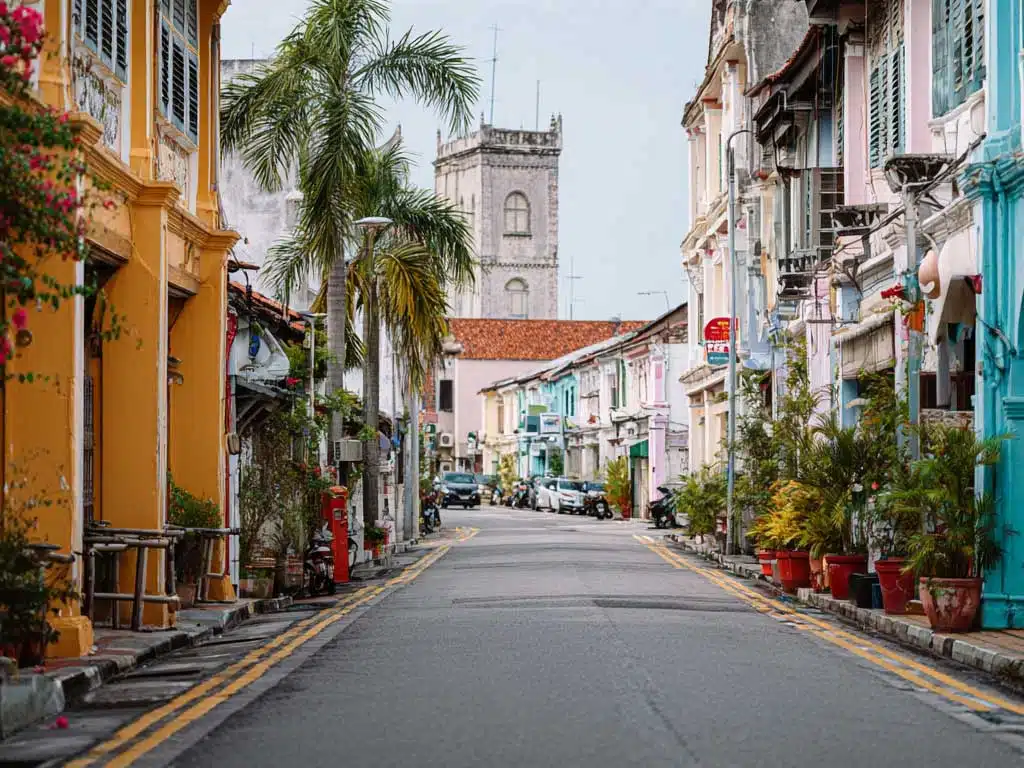
Penang Malaysia is one of the easiest places in Southeast Asia to like quickly, but it also has more depth than many travelers expect. It is not just a food stop, not just a heritage city, and not just a weekend break. Penang works because it brings together street life, layered culture, old architecture, coastal scenery, and one of the region’s strongest eating scenes in a way that feels complete.
If you are wondering whether Penang is worth adding to your Malaysia trip, this guide will help. You’ll see what makes the island stand out, what kind of experience it offers, and why so many travelers leave feeling it gave them more than they planned for.
Here’s what you’ll get:
- what Penang is really like as a destination
- why it stands out from other parts of Malaysia
- what kinds of travelers tend to enjoy it most
- which parts of its appeal go beyond the usual food reputation
Table of Contents Penang Malaysia
What makes Penang different from other destinations in Malaysia
Penang feels more layered than many destinations of similar size. It has city energy, but it does not feel only urban. It has heritage appeal, but it does not feel frozen in the past. It has beaches and coastal stretches, but it is not trying to be a pure beach island.
That mix is what makes it memorable. You can feel the island’s history in its architecture and street layout, but you also feel daily life everywhere. Markets, temples, cafés, old shopfronts, seafront roads, and neighborhood food spots all sit close together.
This matters because Penang rarely feels one-note. It gives travelers several versions of Malaysia at once.
Penang Malaysia is one of the country’s strongest all-round destinations
One of the clearest reasons to visit Penang Malaysia is that it offers variety without becoming hard to understand. Some destinations are famous for one standout attraction. Penang works better as a whole.
You are getting:
- a heritage-rich urban core
- a major food culture
- multicultural identity
- temples and religious landmarks
- hillside and coastal scenery
- street life that feels active and real
That balance makes Penang especially rewarding for travelers who want more than one type of experience in the same place.
Micro-summary: Penang is not just famous. It is genuinely well-rounded, which is why it works for so many travel styles.
1. George Town gives Penang its historic and visual heart
It is impossible to talk about Penang without talking about George Town, but Penang should not be reduced to George Town alone. Still, the city is a huge part of why the island stands out.
George Town is known for its UNESCO-listed heritage core, old shophouses, colonial buildings, temples, mosques, clan houses, and street art. What makes it work is not only the landmarks themselves. It is the atmosphere between them. Walking through these streets, you feel how the city’s Chinese, Malay, Indian, and colonial influences overlap in daily life.
This part of Penang feels textured rather than polished flat. That is part of the appeal.
2. The food reputation is fully deserved
Penang’s food reputation is not travel hype. It is one of the real reasons people come, and one of the biggest reasons they remember the trip.
The island is widely known for hawker food and local specialties, but the real appeal is range. Penang does not feel like a place with one signature dish and a lot of filler around it. It feels like a destination where eating is part of understanding the place.
You see that in:
- hawker centers
- kopitiams
- Indian Muslim eateries
- Chinese noodle shops
- street stalls
- local cafés and long-running family-run spots
The food culture also reflects Penang’s deeper identity. The island’s cultural mix shows up on the plate as clearly as it does in its neighborhoods.
Micro-summary: In Penang, food is not a side attraction. It is one of the clearest ways the destination expresses itself.
3. The cultural mix gives the island real depth
Penang is one of the best examples in Malaysia of how different communities have shaped a place together over time. That cultural layering is one of the island’s strongest qualities.
You can see it in religious sites, architecture, language, food, festivals, and neighborhood character. Buddhist temples, Hindu temples, mosques, Chinese clan houses, colonial-era buildings, and local markets all help form the destination’s identity.
This gives Penang a richer feel than places that depend mainly on scenery or resort appeal. Even a short visit often feels fuller because the island has more cultural texture built into everyday life.
4. Street life makes Penang feel active instead of staged
Some heritage destinations look impressive but feel static. Penang usually avoids that problem because the streets still feel lived in.
That matters. A destination becomes more memorable when it feels active rather than curated only for visitors. Penang has places where you can watch everyday movement, neighborhood trade, street-side dining, old businesses, and local routines all happening within the same block.
This gives the island character. It also helps it feel more human and less like a checklist of landmarks.
5. Temples and religious sites add another side of Penang
Penang’s religious landmarks are not just background details. They help define how the island feels.
Sites such as Kek Lok Si Temple and other major temples around the island add scale, atmosphere, and historical weight. They also show how strongly spiritual life remains woven into Penang’s identity.
These places matter because they add another dimension to the destination. Penang is not only about food streets and heritage walks. It also has quieter, more reflective spaces that broaden the experience.
For official visitor information and broader destination updates, the Malaysia travel website is a useful source.
6. Penang has more coastline appeal than many travelers expect
Penang is not one of Southeast Asia’s top pure beach destinations, and it is better to be honest about that. But that does not mean the island lacks coastal appeal.
What Penang does well is combine urban and cultural depth with a lighter coastal side. Seafront roads, waterfront areas, sea views, and beach stretches around parts of the island help balance the denser city feel.
This is important because Penang does not rely on one mood only. You can get heritage streets and food culture, then shift into a more open coastal atmosphere without leaving the destination behind completely.
Micro-summary: Penang’s coast is not the whole story, but it helps the island feel broader and less confined.
7. The heritage appeal feels genuine, not forced
A lot of destinations lean heavily on “old town charm,” but Penang’s heritage appeal feels stronger because it is backed by real substance.
The architecture tells a longer story. Colonial-era buildings, historic shophouses, Chinese clan houses, religious landmarks, and old neighborhood streets all connect to the island’s trading and migration history. This is not just decorative nostalgia. It is part of why Penang has such a distinct identity.
That gives the destination more staying power. Even travelers who arrive mainly for food often leave remembering the built environment just as much.
8. Penang suits travelers who like layered destinations
Not every traveler wants the same kind of place. Penang is especially strong for people who enjoy destinations with overlap.
It suits:
- food-focused travelers
- culture lovers
- photographers
- architecture fans
- couples
- independent travelers
- short-stay visitors who still want variety
It may be less ideal for travelers whose only goal is a classic tropical beach break or a quiet resort stay. Penang is more interesting than restful in that sense. It is best when you want a destination that gives you several reasons to explore.
9. It offers one of the most complete introductions to Malaysia
For many travelers, Penang works well because it introduces several important parts of Malaysia in one place. You get multicultural identity, strong food culture, religious diversity, heritage architecture, urban energy, and coastal atmosphere without needing a huge route.
That makes the island especially appealing for first-time visitors to the country. It gives a broad and memorable sense of Malaysian travel without feeling too spread out or too complicated.
This is one of Penang’s biggest strengths. It helps travelers understand Malaysia through one destination that feels both distinctive and accessible.
Is Penang worth visiting?
Yes, Penang Malaysia is worth visiting for most travelers, especially if you want a destination with more than one obvious strength. The island stands out because it combines heritage, food, culture, street life, and coastal character without feeling scattered.
It may not be the right choice if you only want beaches or a resort-heavy escape. But if you want a destination that feels layered, flavorful, and easy to connect with, Penang is one of Malaysia’s most rewarding places.
Conclusion
Penang works best when you see it as a full destination, not just a city break or food stop. George Town may be its best-known core, but the wider island gives the experience more range through temples, neighborhoods, coastal stretches, and a cultural mix that feels deeply rooted.
The main takeaway is simple: Penang offers depth without making travel feel difficult. If you want one place in Malaysia that combines character, food, history, and atmosphere in a highly memorable way, Penang deserves a real place on your list.
FAQ Penang Malaysia
Is Penang worth visiting?
Yes, Penang is worth visiting if you want a destination with strong food culture, heritage appeal, and a more layered atmosphere than a simple beach stop. It is one of Malaysia’s most rewarding places for travelers who enjoy cities with character and cultural depth.
How many days should you spend in Penang?
Most travelers should spend 2 to 4 days in Penang. That gives you enough time to enjoy the island’s food, heritage areas, temples, and broader atmosphere without rushing too much.
What is Penang best known for?
Penang is best known for its food, George Town heritage streets, multicultural identity, temples, and street life. For many travelers, it stands out as one of the strongest cultural and culinary destinations in Malaysia.
Is Penang a good place for first-time visitors to Malaysia?
Yes, Penang is a strong choice for first-time visitors to Malaysia because it offers a broad introduction to the country’s cultural mix, food culture, and urban heritage. It gives you a lot of Malaysia’s appeal in one destination.
What kind of traveler enjoys Penang the most?
Penang usually suits travelers who enjoy food, culture, architecture, photography, and destinations with a strong local feel. It works especially well for independent travelers, couples, and short-stay visitors who want variety without needing a complicated trip.
